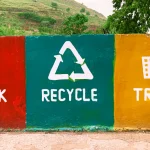
Waste is often seen as a problem to be managed. But what if it could become an opportunity?
Across Nigeria, the shift toward a circular economy is changing how waste is viewed and used.
What Is a Circular Economy?
A circular economy focuses on reducing waste by reusing, recycling, and converting materials into new products. Instead of a “use and discard” model, it creates systems where resources are continuously reused.
Why Nigeria Needs It
Urbanization and population growth have increased waste generation across the country. Without proper systems, this leads to pollution, health risks, and environmental damage.
Circular systems help:
- Reduce landfill waste
- Improve sanitation
- Create new industries and jobs
Waste-to-Value in Action
Waste-to-value systems transform materials like plastics, organic waste, and industrial by-products into usable resources.
This can include:
- Recycling materials into new products
- Converting waste into energy
- Supporting local manufacturing through recovered materials
Economic and Environmental Benefits
Beyond environmental impact, circular systems create real economic value. They support small businesses, generate employment, and reduce reliance on raw materials.
Conclusion
The future of waste management in Nigeria lies in rethinking waste entirely. With the right systems in place, waste is no longer a burden but a resource that can drive sustainable growth.